SDG 16.2.3 – Identifying and Engaging with Local Stakeholders
Institutionalizing Local Stakeholder Engagement Through the Institutional Manual
 |
Samar Colleges, Inc. (SCI), Catbalogan City, Samar, recognizes the importance of maintaining constructive relationships with external stakeholders in fulfilling its educational mission and contributing to local development. The institution’s Administrative Manual serves as a formal reference for its administrative policies, procedures, and institutional responsibilities, providing a framework for coordinating activities and relationships with individuals and organizations beyond the College. SCI supports engagement with government agencies, local communities, educational institutions, partner organizations, and other relevant stakeholders through institutional coordination, partnerships, consultations, and collaborative initiatives. Through its administrative framework and stakeholder-related activities, SCI promotes consistency, accountability, and organized engagement with external partners and communities. This institutional approach contributes to SDG 16: Peace, Justice and Strong Institutions by supporting accountable institutional practices, transparent processes, and constructive stakeholder engagement. Samar Colleges reinforces its role as a responsible educational institution committed to collaboration, community participation, and inclusive local development. For further information on the institution’s administrative policies and procedures, please refer to the SCI Administrative Manual |
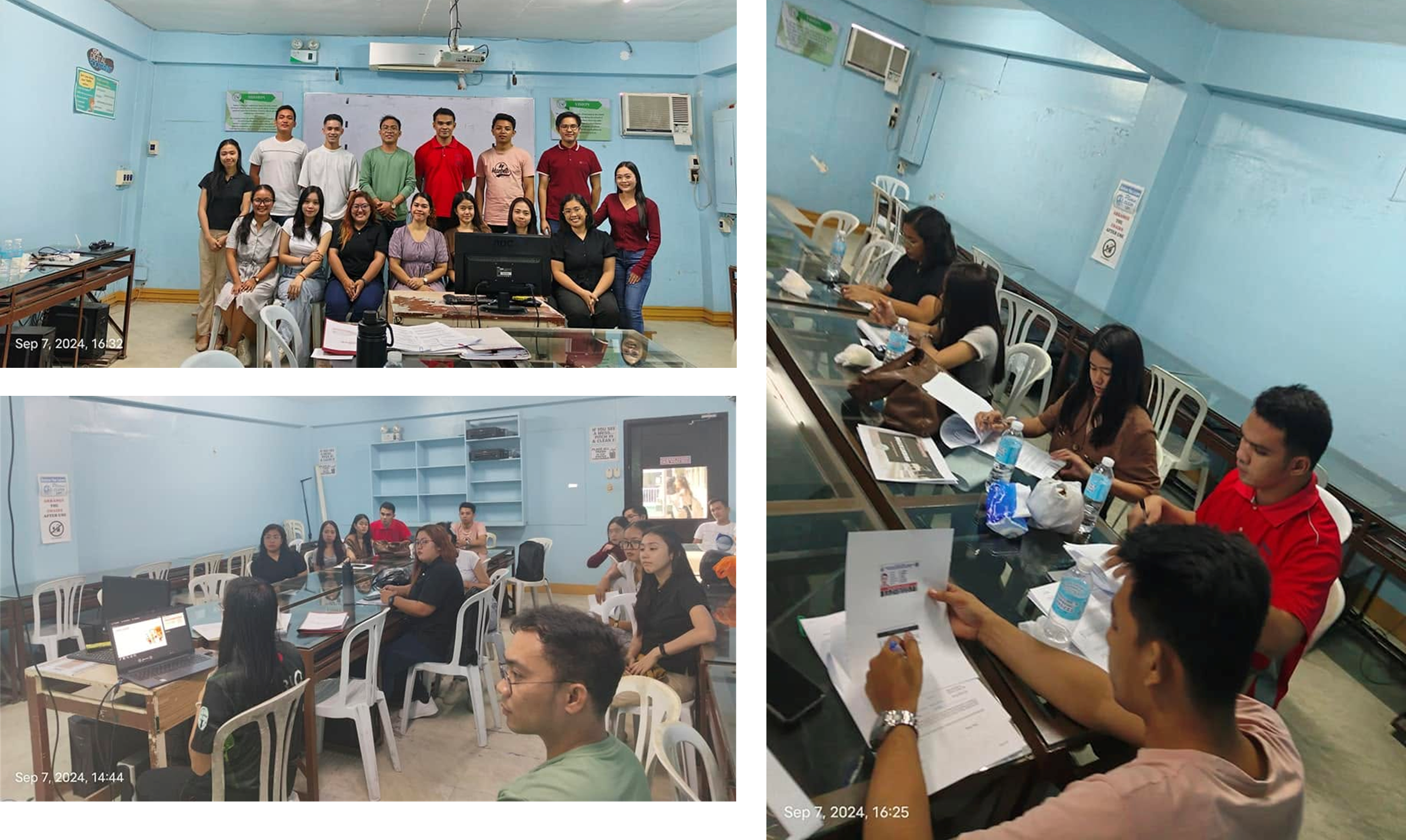
The institutional orientation for newly hired employees is part of Samar Colleges, Inc.'s continuing efforts to welcome new members of its workforce, familiarize them with the institution, and help them understand their roles and responsibilities as they become part of the Samar Colleges community. Through this initiative, the institution promotes employee integration and a shared commitment to its vision, mission, and institutional goals.
Related article: https://samarcollege.edu.ph/news/samar-colleges-welcomes-new-employees-through-institutional-orientation
 |
Samar Colleges, Inc. (SCI), Catbalogan City, Samar, establishes clear standards of ethical conduct and professional responsibility through its Code of Conduct Manual. The manual outlines the expected behavior of teaching and non-teaching personnel, emphasizing integrity, honesty, professionalism, respect, accountability, confidentiality, and compliance with institutional policies and applicable laws. It also provides guidance on workplace conduct, conflict of interest, nondiscrimination, protection of student welfare, and responsible use of institutional resources. The manual further strengthens institutional accountability by defining offenses and penalties and establishing disciplinary procedures that include reporting, investigation, employee explanation, administrative hearings, written decisions, and appeals. These provisions promote fairness, consistency, transparency, and due process in addressing misconduct. Through its Code of Conduct, SCI supports SDG 16: Peace, Justice and Strong Institutions by fostering ethical institutional practices, responsible governance, and a safe and respectful environment for its employees and school community. For further information, please view the SCI Code of Conduct. |
|
Samar Colleges, Inc. (SCI), Catbalogan City, Samar, recognizes the importance of establishing partnerships and collaborative relationships with external stakeholders to advance its educational mission and contribute to community development. The SCI Procedure Manual: Forging Partnerships and/or Collaboration provides institutional guidance for developing and maintaining partnerships with relevant organizations, agencies, and community stakeholders. It supports a systematic approach to identifying opportunities for collaboration, coordinating partnership activities, and strengthening relationships with external entities. Through these procedures, SCI promotes organized, accountable, and mutually beneficial partnerships that support institutional initiatives and community engagement. The manual contributes to SDG 16: Peace, Justice and Strong Institutions by reinforcing institutional processes, stakeholder cooperation, and responsible collaboration. It reflects the College’s commitment to building constructive relationships and fostering inclusive development through partnerships. For further information, please view the SCI Procedure Manual: Forging Partnerships and/or Collaboration |
 |
|
Samar Colleges, Inc. (SCI) demonstrates its commitment to employee development through its Learning and Development (L&D) Manual, which provides a structured framework for strengthening the competencies of faculty, administrative staff, and support personnel. Guided by training needs assessments, performance evaluations, and institutional priorities, the program promotes equitable access to professional development in areas such as instruction, leadership, research, regulatory compliance, and values formation. Through its CY 2025 Annual L&D Program and Enhanced Faculty Development Program (EFDP), SCI provides opportunities for continuous learning, leadership development, employee well-being, and advanced graduate studies for qualified faculty members. Supported by monitoring, evaluation, and documentation mechanisms, these initiatives reinforce the institution’s commitment to lifelong learning, professional excellence, and quality, values-driven education. For further information, please view the SCI Learning and Development Manual. |
 |
|
|
Engagement with External Academic Experts to Strengthen Institutional Research Governance and Ethics Review Capacity Samar Colleges, Inc. strengthened its institutional research governance through a two-day Seminar-Workshop on Research Ethics Review and Accreditation Readiness held on September 24–25, 2026. The activity engaged an external academic expert, Dr. Rheajane A. Rosales, Director of the Institutional Human Research Ethics Committee (IHREC) and Associate Professor V of Samar State University, as resource speaker. The engagement facilitated knowledge sharing, technical guidance, and collaborative capacity-building among SCI's deans, program heads, coordinators, and faculty members. Through practical workshops, simulated protocol reviews, and accreditation readiness planning, the institution strengthened its research ethics mechanisms and established a foundation for responsible and accountable research practices. |

|
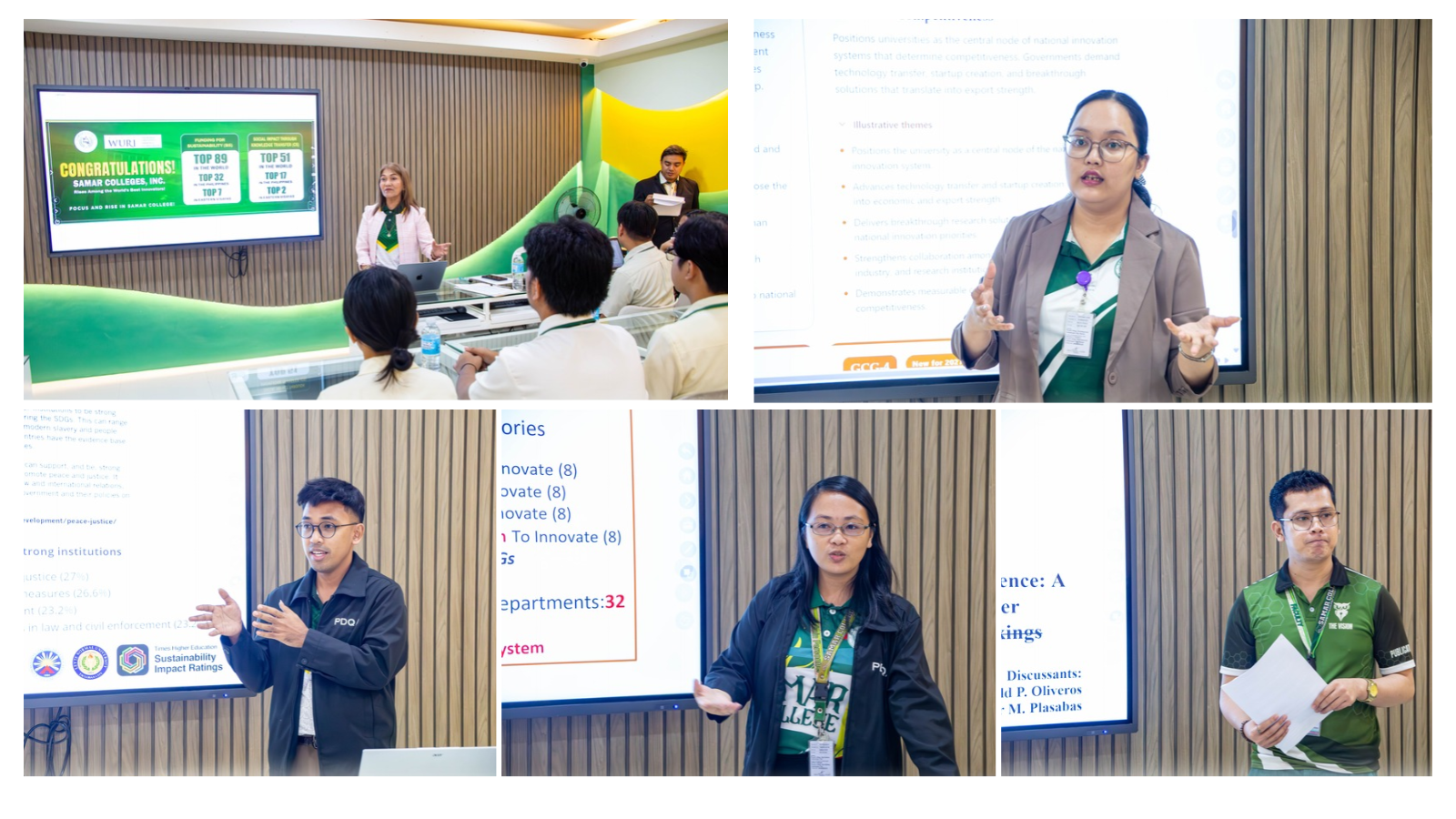
Engagement with External Academic and Industry Experts for Faculty Professional Development and Educational Innovation Samar Colleges, Inc. strengthened its engagement with external academic and industry stakeholders through a four-day Faculty Professional Development Seminar-Workshop held on July 15–18, 2026, at the Radiant Hotel and Events Place in Tacloban City. The activity brought together experts and resource persons from Turnitin, Visayas State University, Leyte Normal University, Cebu Normal University, and the professional consultancy sector to share their expertise in responsible artificial intelligence integration, academic integrity, research and scholarly publication, higher-order thinking skills, active learning strategies, and professional development. Through these collaborative engagements, SCI facilitated knowledge exchange, strengthened faculty competencies, and fostered professional linkages with external experts and institutions to advance quality, innovative, and future-ready education. |
|

|
|
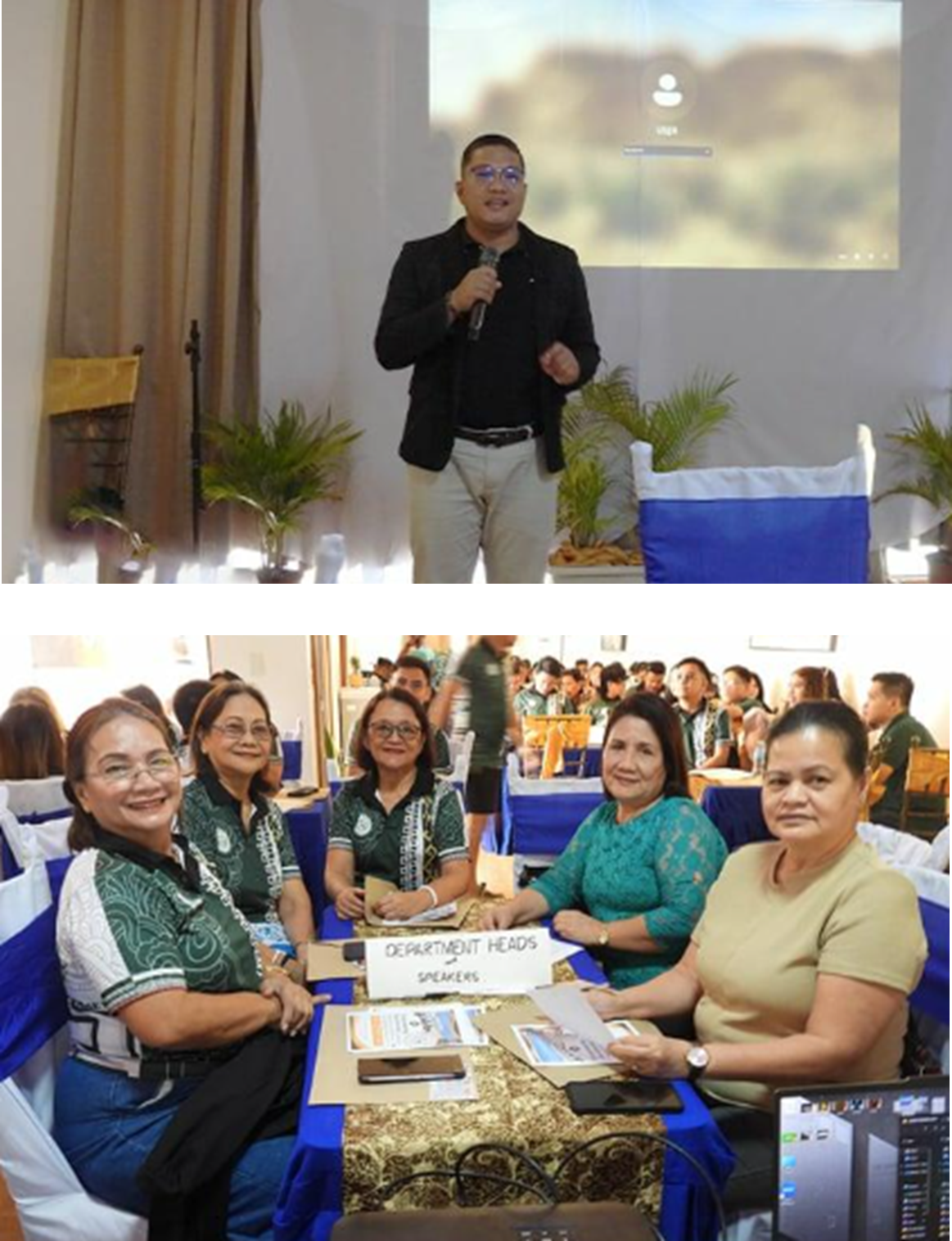
Engagement with External Government Agency Representative in Strengthening Personnel Development and Institutional Workplace Governance Samar Colleges, Inc. strengthened its engagement with external stakeholders through a three-day Seminar-Workshop cum Team Building for Non-Teaching Personnel held on August 15–17, 2025, at Bontemps Beach Resort, Northern Samar, with the theme “Empowering Excellence: Leadership, Teamwork, and Service for Non-Teaching Personnel.” The activity engaged Mr. Venuell B. Aying, PhilHealth Accounts Management Officer, as an external resource speaker who facilitated discussions on managing workplace conflicts and handling complaints. Through interactive workshops and practical activities, the engagement promoted knowledge sharing, improved workplace relations, and strengthened the personnel's capacity to address organizational concerns constructively and professionally. The activity gathered 77 non-teaching personnel and reinforced the institution's commitment to professional development, employee welfare, and effective institutional management
|