17.3.1. Report on SDG 1: No Poverty
Promoting Access to Education Through Scholarships and Financial Assistance
Samar Colleges, Inc. (SCI) recognizes that financial difficulties should not prevent deserving students from pursuing higher education. Through its Office of Scholarship Programs under the Office of Student Affairs and Services (OSAS), the institution provides and facilitates various forms of financial assistance to help students overcome economic barriers to education.
Student Assistant Grant as Financial Assistance for Disadvantaged Students
For students experiencing financial difficulties, SCI also implements the Student Assistant Grant, a school-funded scholarship program that provides qualified beneficiaries with free tuition and miscellaneous fees in exchange for services rendered in designated institutional offices. Stipulated in the approved Policy Guidelines for Student Assistant Grant, effective Academic Year 2025–2026, priority is given to financially incapable students, particularly those from indigent families with an annual family income not exceeding ₱200,000. Beneficiaries are also provided a monthly allowance of ₱500.00, subject to the program's academic and service requirements.
Reference Policy Guideline: https://www.samarcollege.edu.ph/sdg-17-partnerships-for-the-goals/17-3-1/pdf-1/
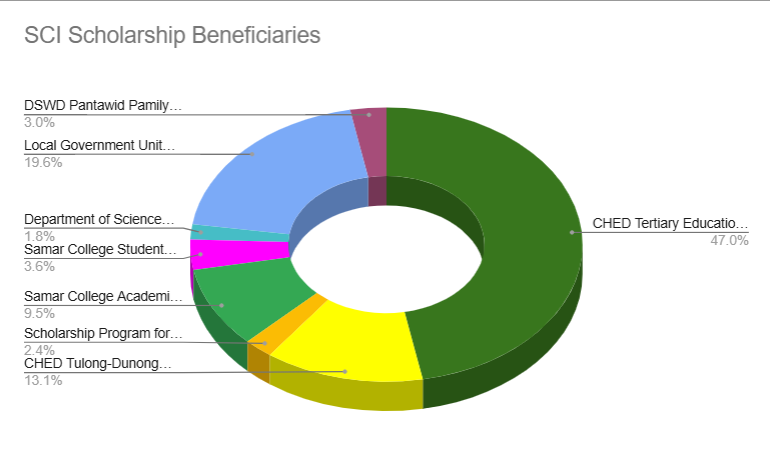
Beyond its institutional scholarship programs, SCI facilitates access to financial assistance provided by government agencies, local government units, and other organizations. Based on the institution's scholarship beneficiary distribution, the CHED Tertiary Education Subsidy (TES) accounts for the largest share at 47.0%, followed by LGU-sponsored scholarships at 19.6% and CHED Tulong Dunong at 13.1%. Other sources include the DSWD Pantawid Pamilyang Pilipino Program (4Ps), Department of Science and Technology scholarships, and other academic and student assistance grants. Through these partnerships, SCI helps connect students with additional financial resources to support their education.
|
Through these initiatives, SCI helps financially disadvantaged students access educational subsidies and scholarship support, reducing the financial barriers that may otherwise hinder their enrollment and continued participation in higher education. By facilitating both institutional and externally funded assistance, the College strengthens its efforts to make education more accessible and provide students with opportunities to improve their circumstances and future prospects. |
 |
SCI also provides various scholarship grants and tuition privileges to recognize academic excellence, support student development, and promote inclusive access to education. As stipulated in its Student Handbook, qualified freshmen who graduated with highest honors may receive a 100% tuition grant for one semester, while academically outstanding students may avail themselves of 100%, 75%, or 50% tuition discounts, depending on their General Weighted Average (GWA).
The institution also extends family nucleus discounts to qualified siblings, a 25% tuition exemption for members of the Rayhak Dance Troupe (SCI's official student dance group), and sports scholarships ranging from 20% to 100%, depending on qualifications and competition results. Additionally, SCI provides special scholarship grants for students with physical disabilities and those exceptionally gifted in music and the arts. Through these provisions, the institution recognizes diverse forms of achievement and provides financial assistance to students with different circumstances, abilities, and talents, helping make educational opportunities more accessible.
View the Student Handbook here.
Supporting Vulnerable Individuals and Families Through Community Engagement
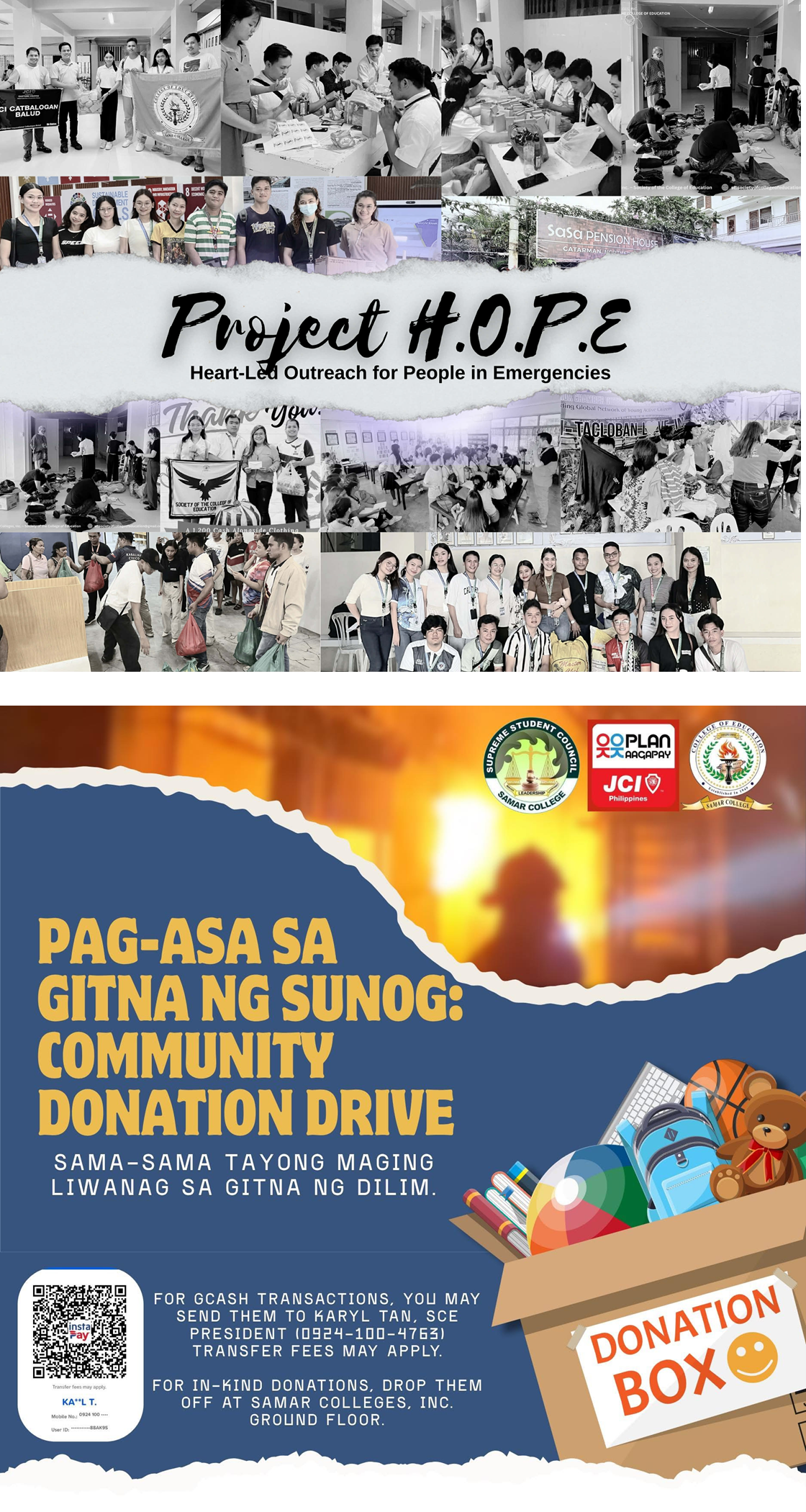 |
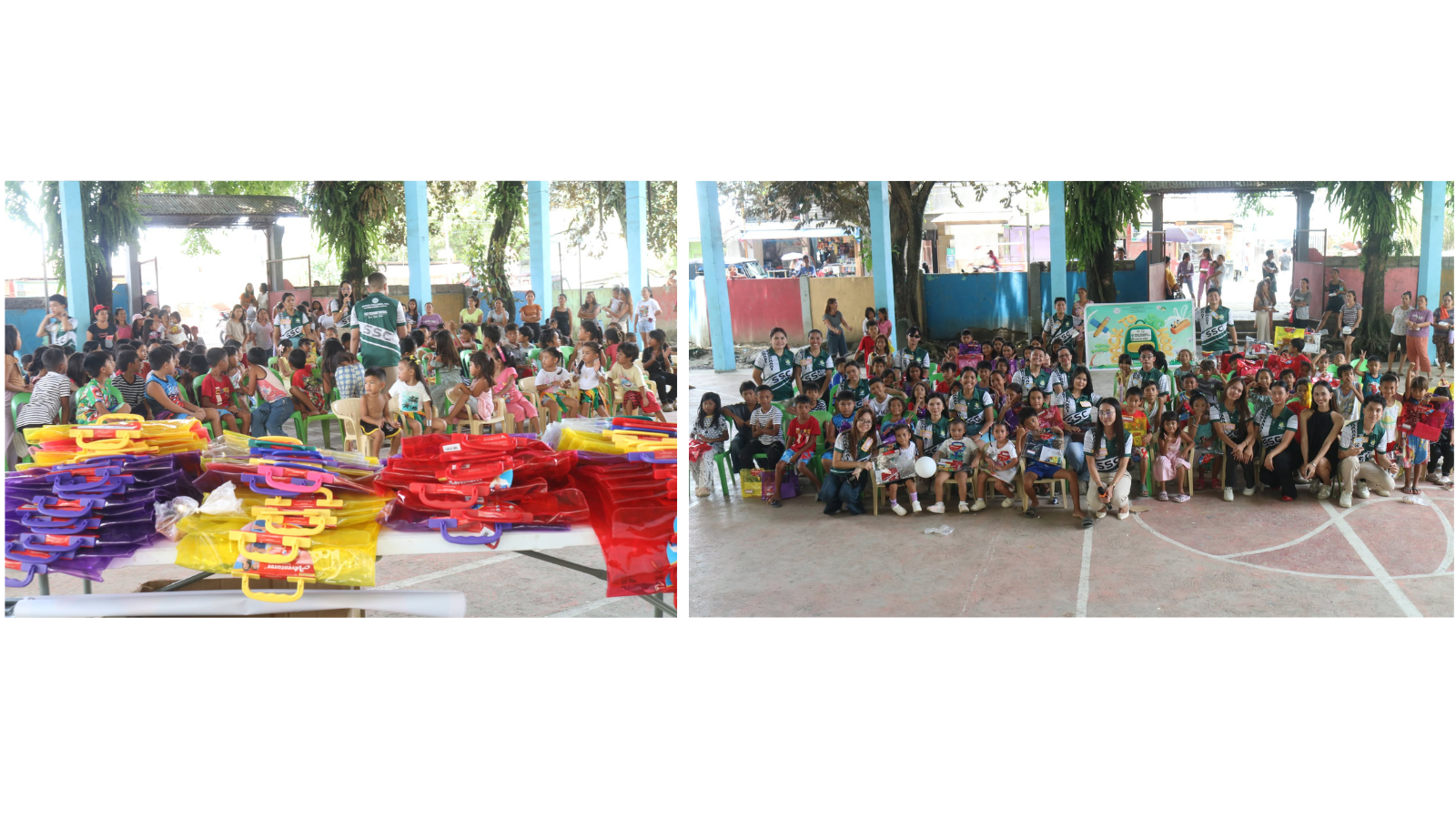
Recognizing that poverty is multidimensional, SCI also participates in initiatives that respond to the immediate needs and vulnerabilities of individuals and families, particularly those affected by emergencies and difficult socioeconomic circumstances. One example is Project H.O.P.E. (Heart-Led Outreach for People in Emergencies), implemented by the College of Education in collaboration with partner organizations. Through its community-oriented activities, the project brings together faculty members, student volunteers, and external partners to assist vulnerable families and communities affected by emergencies. On October 2, 2025, SCI, in collaboration with JCI Catbalogan Balud, conducted the initiative Pag-asa sa Gitna ng Sunog to assist families affected by a fire incident. The activity reached 152 individuals from 34 families temporarily sheltered at the evacuation center of Our Lady of Salvacion Church. Assistance included food packs, clothing, school supplies, hygiene kits, and monetary support. Faculty members and student volunteers participated in gathering, preparing, and distributing assistance to the affected households. |
Through initiatives such as this, SCI demonstrates the importance of collective action in responding to the immediate needs of vulnerable families. While emergency assistance does not independently resolve the underlying causes of poverty, it provides timely support to households experiencing circumstances that may further threaten their economic security and access to basic necessities.
|
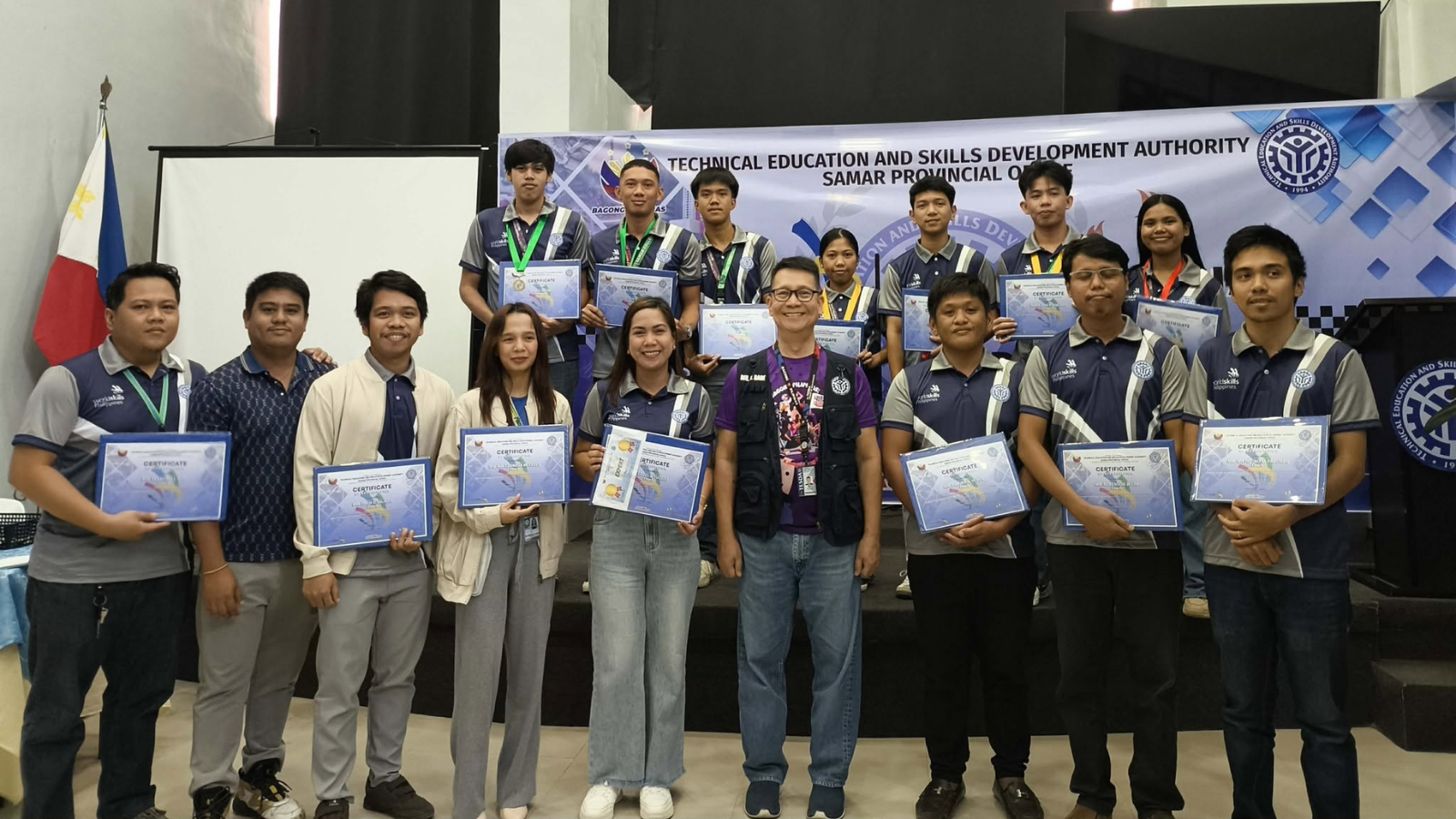
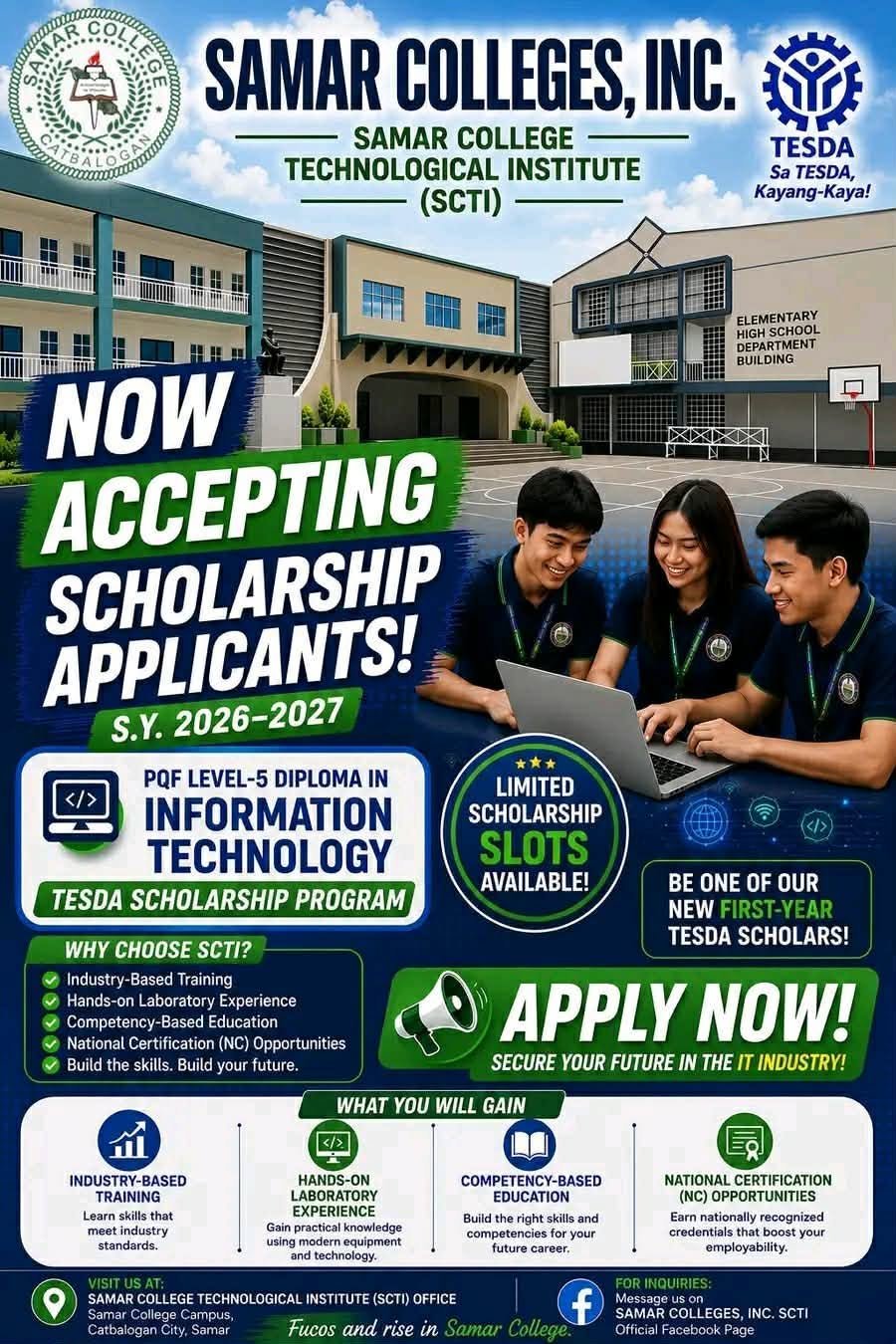
Promoting Economic Opportunities and Community Development Beyond educational assistance and humanitarian outreach, SCI recognizes the importance of creating opportunities that enable individuals and communities to improve their economic conditions. Education, entrepreneurship, skills development, and access to livelihood opportunities can contribute to greater economic participation and long-term poverty reduction. Through the Samar College Technological Institute (SCTI), SCI also supports poverty reduction by expanding access to scholarship-assisted technical-vocational education. Through its Technical Education and Skills Development Authority (TESDA) Scholarship Program for the Diploma in Information Technology, the institution provides learners with opportunities to acquire industry-relevant knowledge, practical technical skills, and nationally recognized qualifications. By making skills-based education more accessible, SCI helps equip individuals with competencies that can improve their employability, open pathways to livelihood opportunities, and support their long-term economic independence. |
 |
SC Hotel: An Innovation and Learning Laboratory
 |
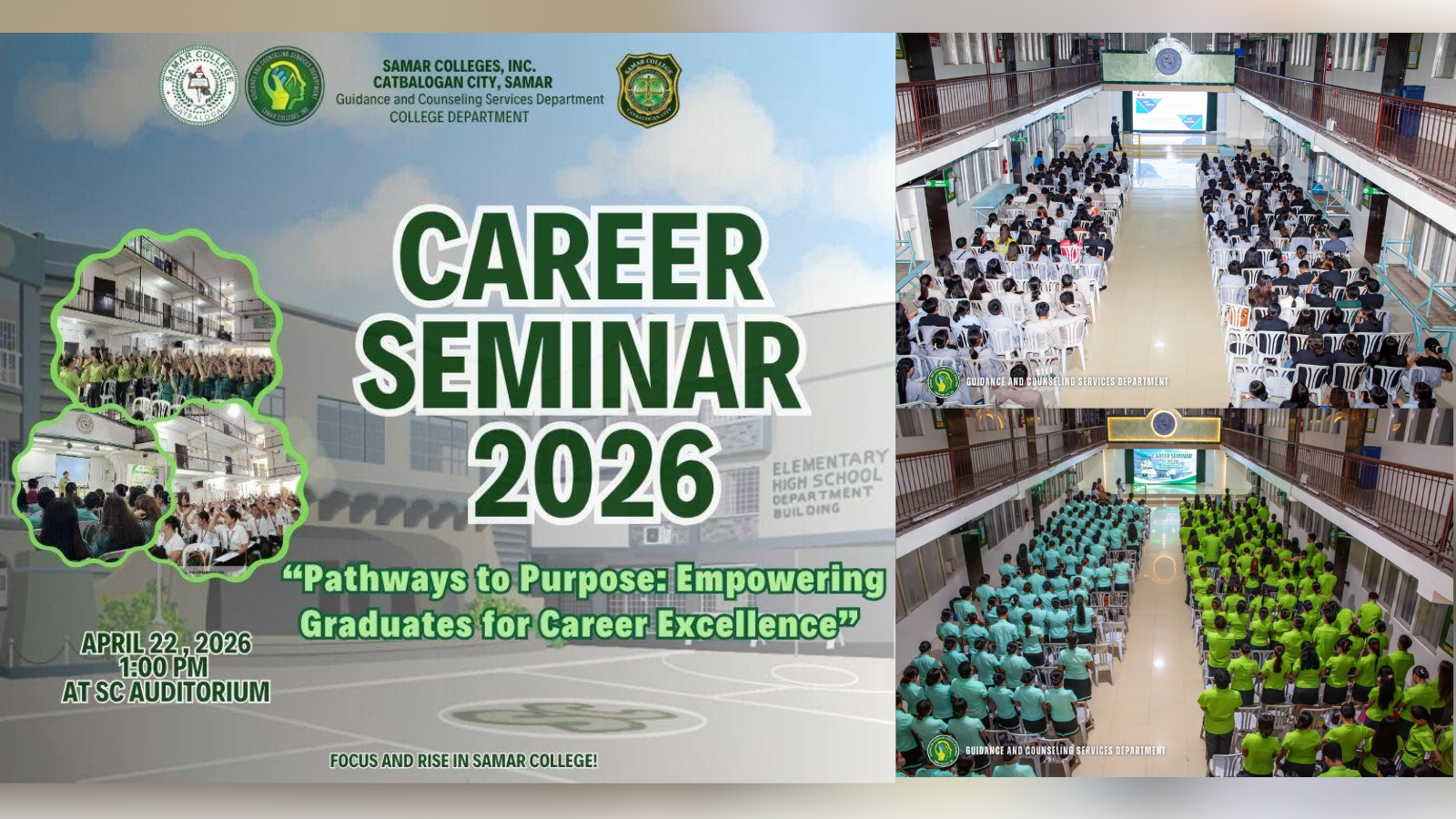
Samar Colleges, Inc. promotes economic opportunities and reduces education-related financial burdens through SC Hotel: An INNOLAB (Innovation and Learning Laboratory), an education-through-enterprise initiative, opened in 2017, that integrates actual business operations with experiential learning. Located within the campus, the hotel serves as a practical training facility for Senior High School Technical-Vocational-Livelihood (TVL) learners, TESDA-funded Samar College Technological Institute (SCTI) Cookery scholars, and Bachelor of Science in Business Administration (BSBA) students. The initiative directly addresses the financial challenges faced by students from economically disadvantaged families, particularly those who would otherwise need to travel to major cities for internship and practicum requirements. By providing an actual hotel operating environment within the campus, students can complete their required practical training without incurring additional expenses for transportation, accommodation, and food away from home. |
Beyond its educational function, SC Hotel operates as a self-sustaining business enterprise that generates revenue from guest accommodations during peak seasons, alumni homecomings, local events, and official visits. Income generated is reinvested in facility improvements, training equipment, staff development, and institutional support. This enterprise-based approach helps strengthen the institution's financial sustainability while supporting its commitment to keeping education affordable for its largely financially challenged student population.
The INNOLAB also contributes to students' employability through industry-oriented training and preparation for TESDA National Certificates (NC) II and III, with reported certification passing rates ranging from 95% to 100% in cookery and related qualifications. Through this initiative, SCI connects education, practical skills development, and enterprise operations, creating opportunities for students to acquire industry-relevant competencies without placing additional financial strain on their families.
Partnerships and Collaborative Initiatives for Poverty Reduction
 |
 |
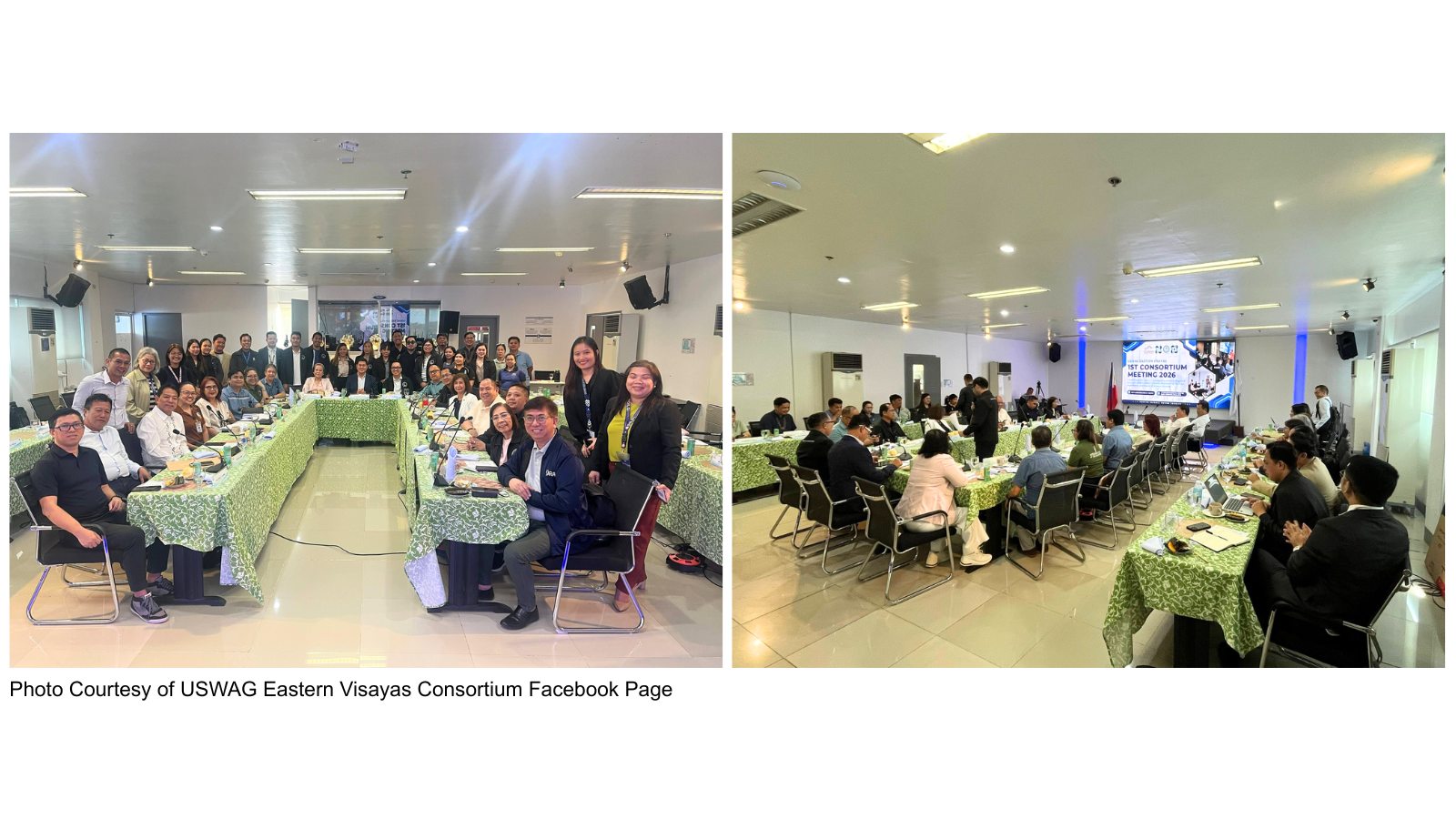
Addressing poverty requires cooperation among educational institutions, government agencies, non-government organizations, and development stakeholders. Samar Colleges, Inc. (SCI) recognizes the importance of these partnerships in exchanging knowledge, mobilizing institutional resources, and identifying collaborative approaches to poverty alleviation.
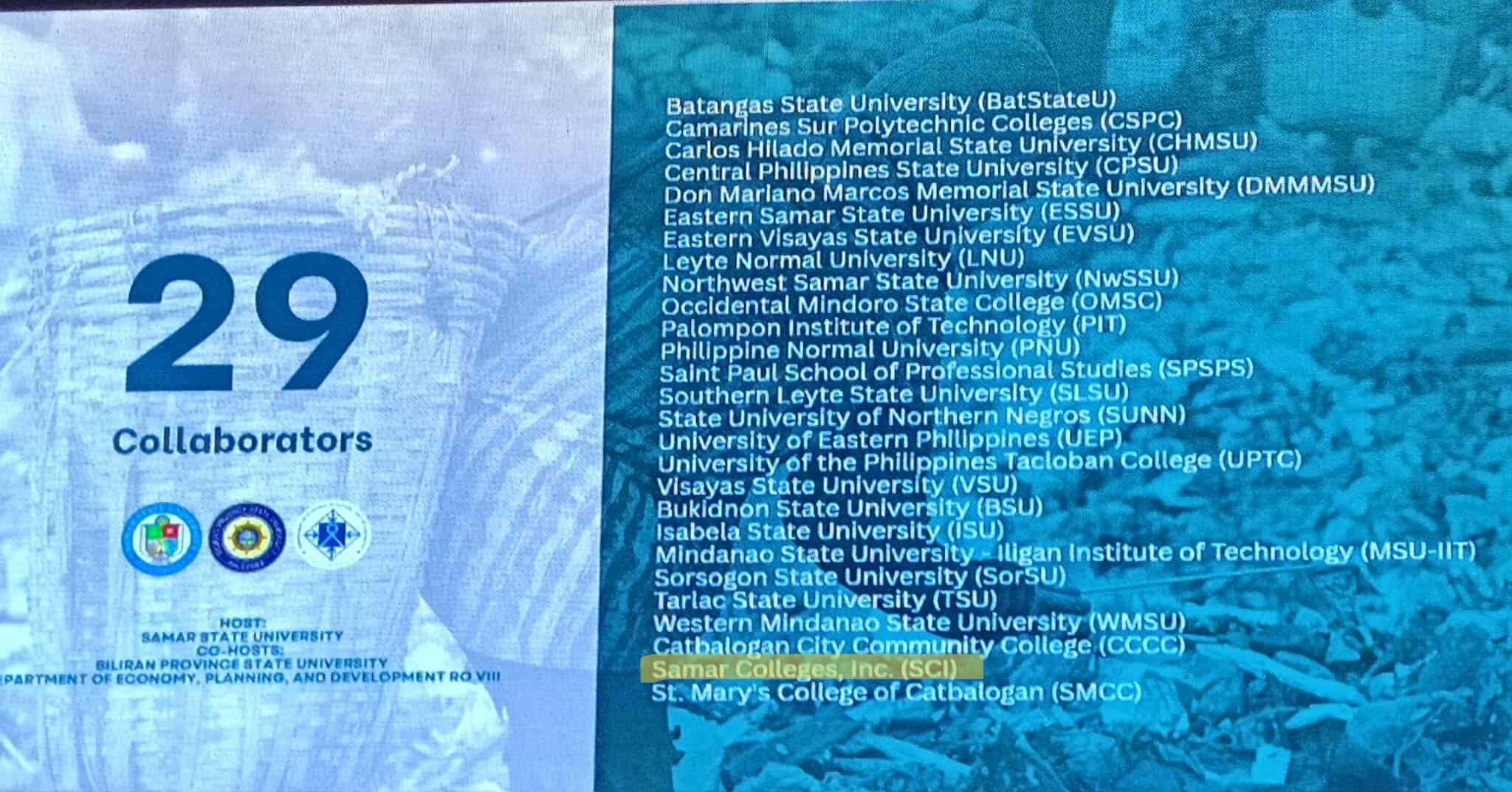
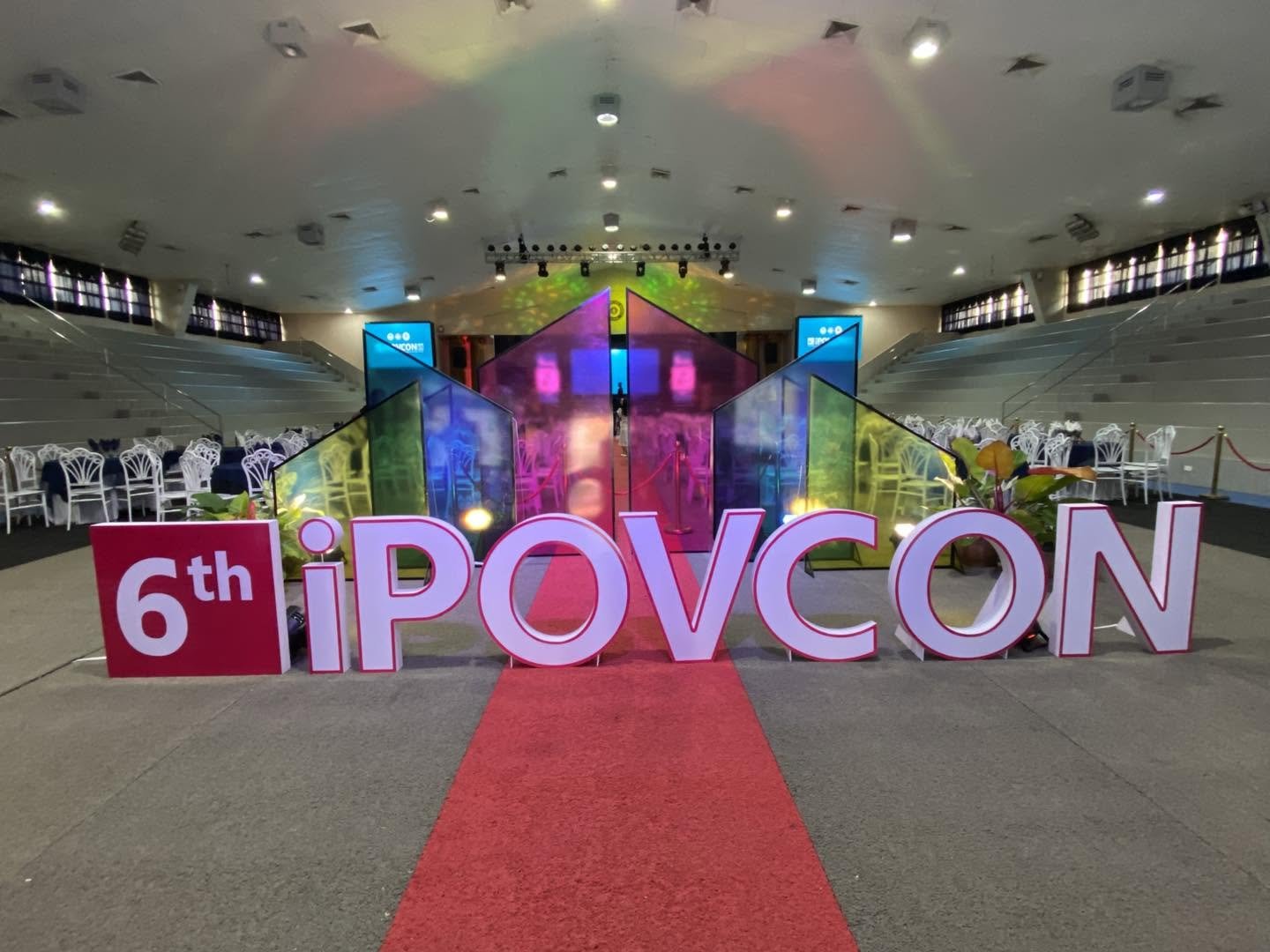
A significant example is SCI's participation in the 6th International Poverty Conference (iPovCon) 2025, held on October 8–9, 2025, at the Biliran Province State University (BiPSU) in Naval, Biliran. Carrying the theme “Technology-Driven Solutions for Poverty Alleviation and Inclusive Sustainability,” the conference brought together higher education institutions, government agencies, and development organizations to discuss innovative and collaborative approaches to addressing poverty. Organized through the collaboration of Samar State University, BiPSU, and the Department of Economy, Planning, and Development Region VIII (DepDevR08), the conference provided a platform for sharing research, development strategies, and technology-driven solutions to poverty-related challenges.
Read more: Samar Colleges Joins iPovCon 2025 as New Institutional Partner
Samar Colleges participated for the first time as an institutional partner, represented by Mr. Roque D. Villarin. The partnership was formalized through a virtual Memorandum of Agreement signing on September 5, 2025, signifying SCI's commitment to supporting collaborative efforts toward poverty alleviation and inclusive development.
Through its participation in iPovCon, SCI strengthens its engagement with regional academic institutions and development stakeholders while gaining opportunities to contribute to discussions on poverty reduction, innovation, and sustainable community development. This partnership reinforces the institution's recognition that addressing poverty requires collective action, research-based solutions, and sustained collaboration among sectors.