17.4.4. Sustainable Literacy
Samar Colleges, Inc. (SCI) promotes sustainable literacy by extending knowledge, practical skills, and learning opportunities beyond its enrolled student population. Through community-based education, digital literacy initiatives, environmental activities, and institutional partnerships, the College provides opportunities for individuals and communities to develop competencies and awareness relevant to social, technological, economic, and environmental sustainability.
|
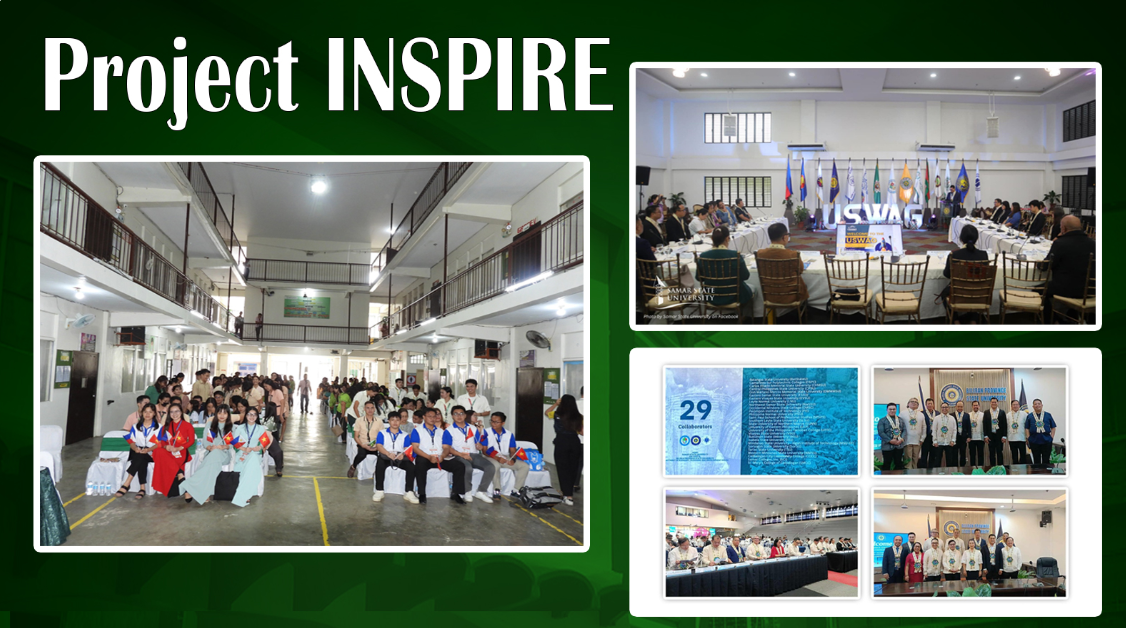
A major institutional initiative supporting this commitment is PROJECT INSPIRE. Anchored on the institution's seven core values—Integrity, Nation-Building, Spirituality, Professionalism, Inclusivity, Resourcefulness, and Excellence—the project translates academic knowledge and institutional values into practical activities that benefit the wider community. Rather than limiting learning to classroom instruction, PROJECT INSPIRE emphasizes the application of knowledge and competencies to real-life community concerns. Know more about this project here: Project INSPIRE |
 |
 |
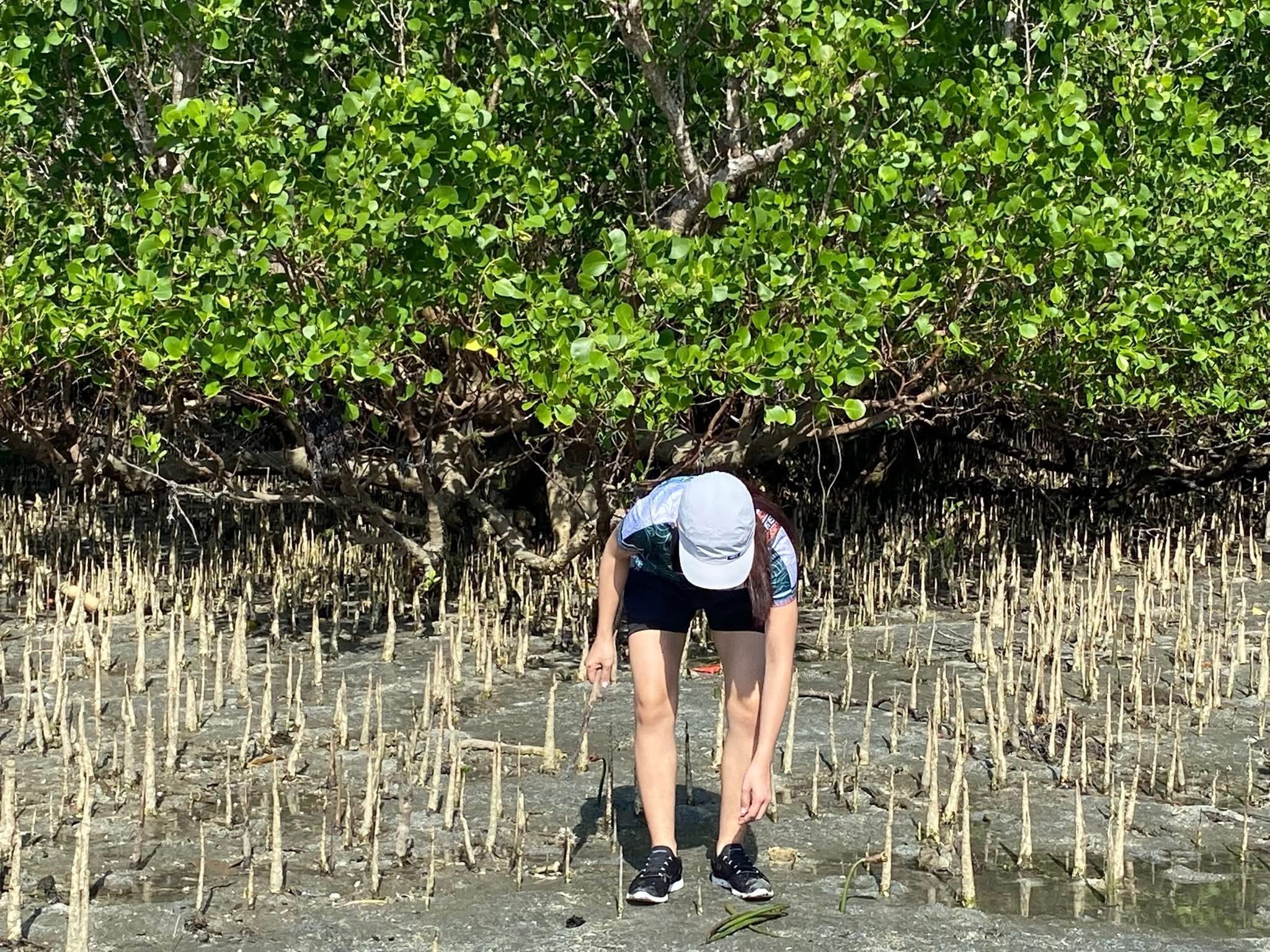 |
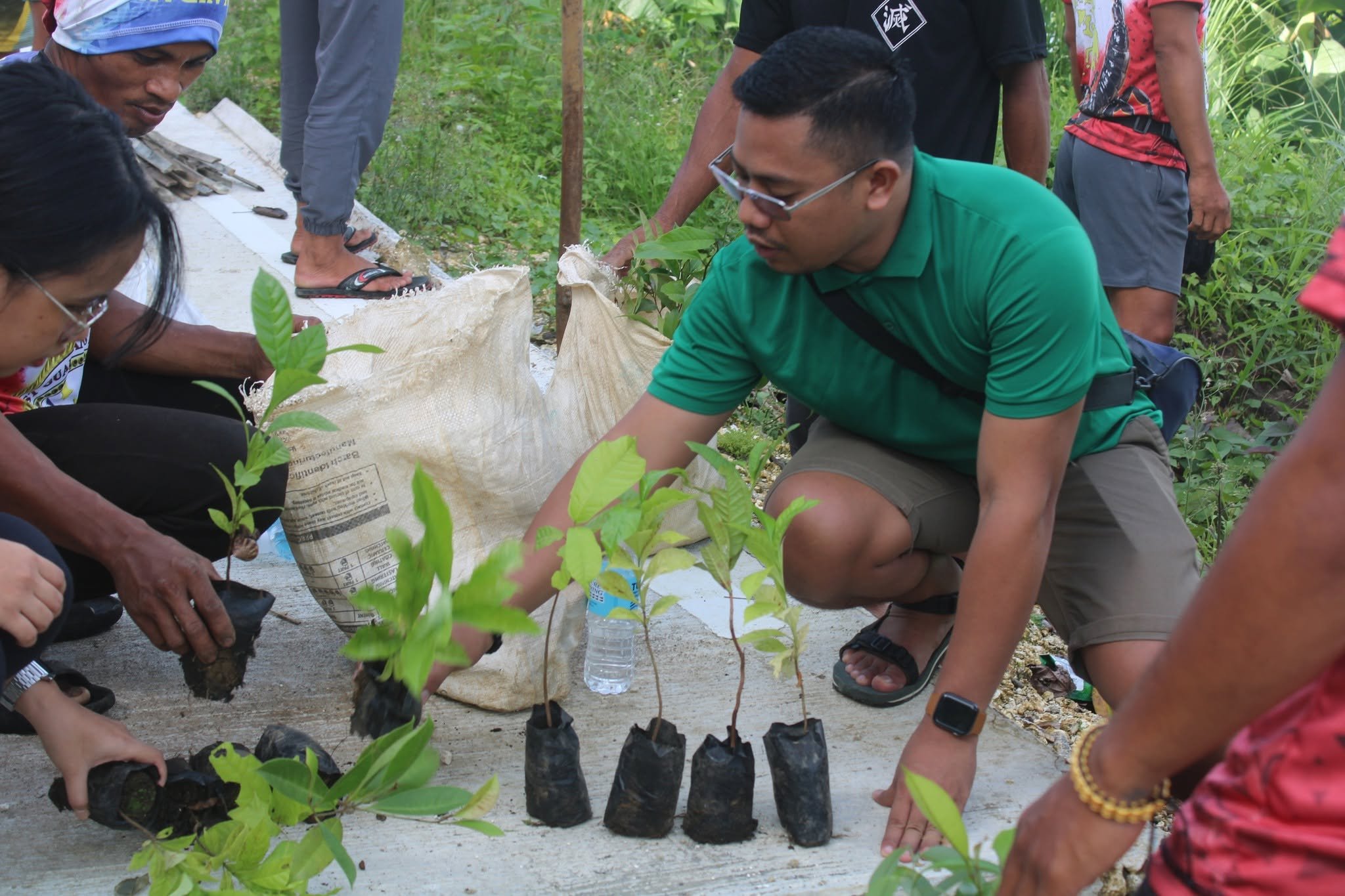
Tree Planting Activity in Brgy. Ibol, Catb. City Mangrove-Planting/Rehabilitation in Brgy. Pupua
The institution also promotes environmental literacy through practical community engagement. Under PROJECT INSPIRE, SCI conducted a tree-planting activity in Barangay Ibol, Catbalogan City, encouraging participation in environmental protection and awareness of the importance of trees and natural ecosystems. SCI also participates in Shields of the Shore, a mangrove rehabilitation initiative undertaken in partnership with Lantaw Pitad, Inc. Through these activities, the institution connects environmental awareness with actual conservation efforts and encourages stakeholders to take part in protecting natural resources.
|
Another example of SCI's contribution to sustainable literacy is the participation of selected officers of the Society of the College of Education (SCE) in the “Through the Wires: Mastering Canva Essentials Workshop” held on June 23, 2026, at the Department of Information and Communications Technology (DICT) Samar Provincial Office. Organized by the Province of Samar through the Samar Provincial Library, in partnership with DICT and the Public Employment Service Office (PESO), the workshop provided practical training in digital design and visual communication. Reference article: |
 |
The training covered graphic design fundamentals, content creation, branding, and effective visual communication. Through these sessions, participating student leaders gained exposure to practical digital design skills that can be applied in preparing organizational materials, developing promotional content, and producing visual resources for academic activities and student-led initiatives. Their participation demonstrates SCI's engagement in external capacity-building opportunities that strengthen digital literacy, creativity, and technology competencies beyond regular classroom instruction.
|
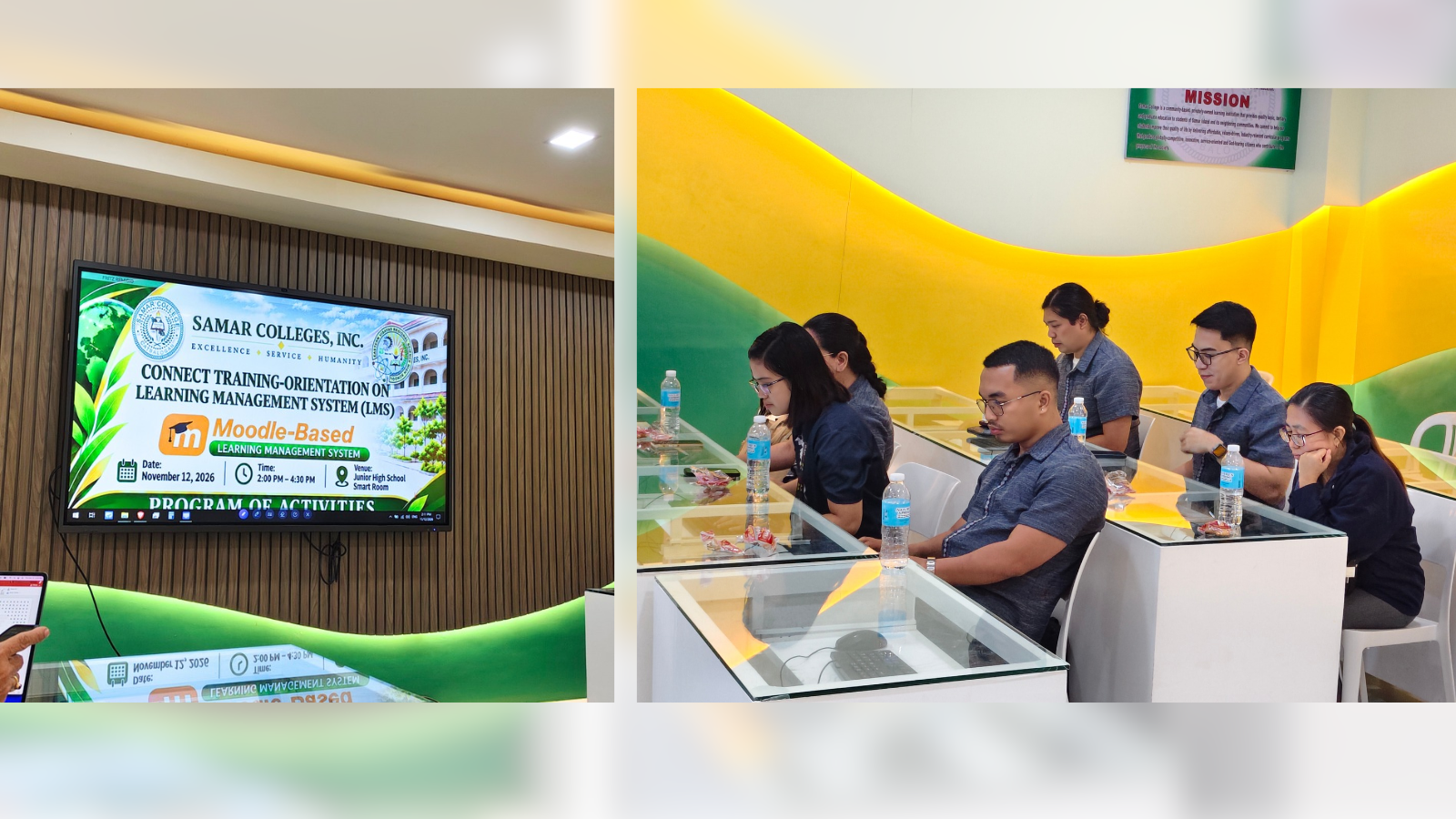
SCI further extends its educational resources through PROJECT CONNECT: Community Network for Continuity of Learning, in partnership with Eastern Visayas Regional Science High School (EVRSHS). As part of this initiative, SCI conducted a Moodle-based Learning Management System training-orientation for six (6) EVRSHS representatives on November 12, 2026. Reference article: |
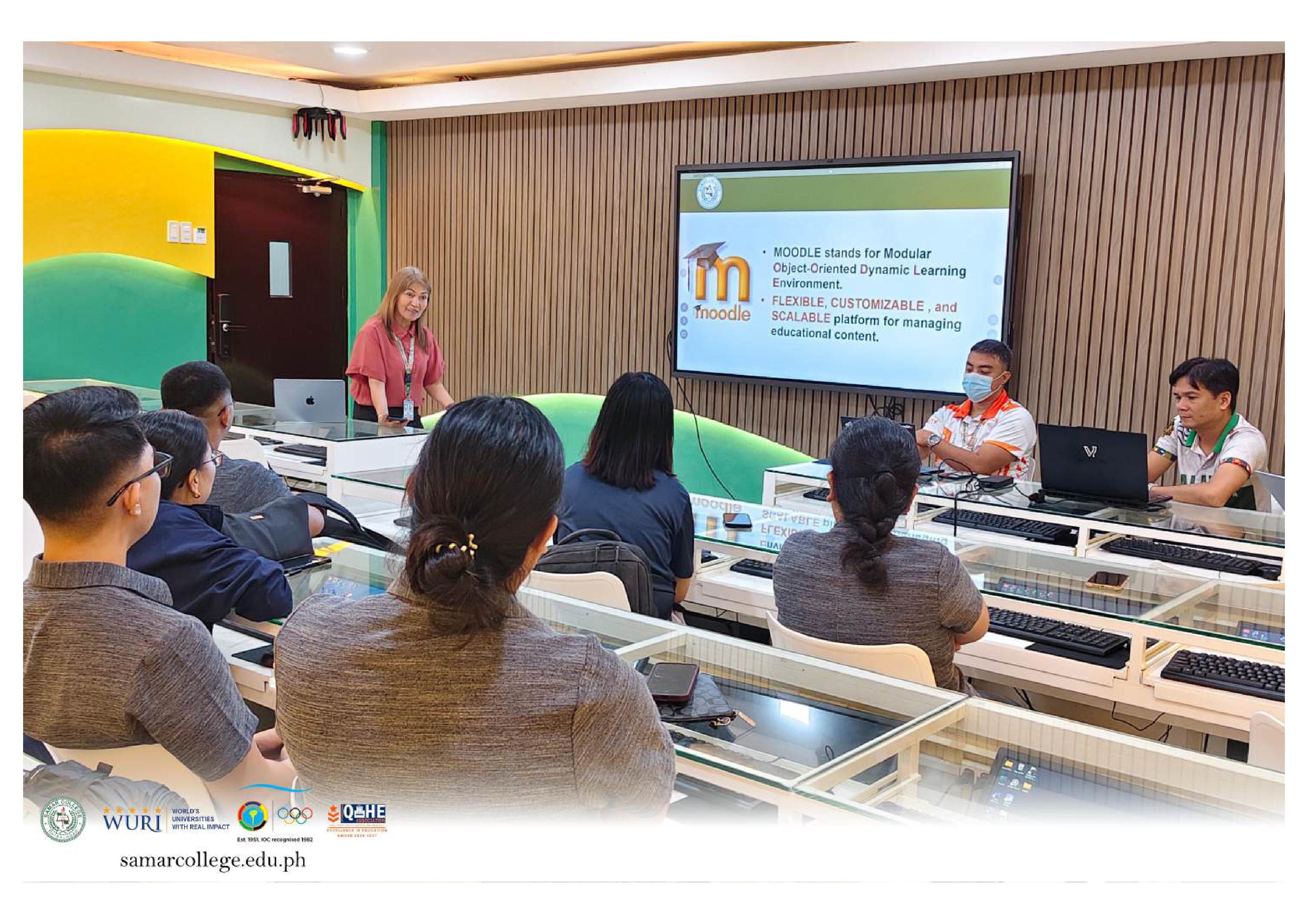 |
The participants, composed of school administrators, department heads, and ICT coordinators from the partner school, received an orientation and hands-on exposure to the platform's features and applications for instructional delivery and learning management. The participating representatives were expected to conduct re-echo sessions within their school, allowing the knowledge gained to reach additional teachers. This activity demonstrates SCI's contribution to digital capacity-building and the transfer of educational technology knowledge to another institution.
See the Approved Proposal for Program CONNECT here.
|
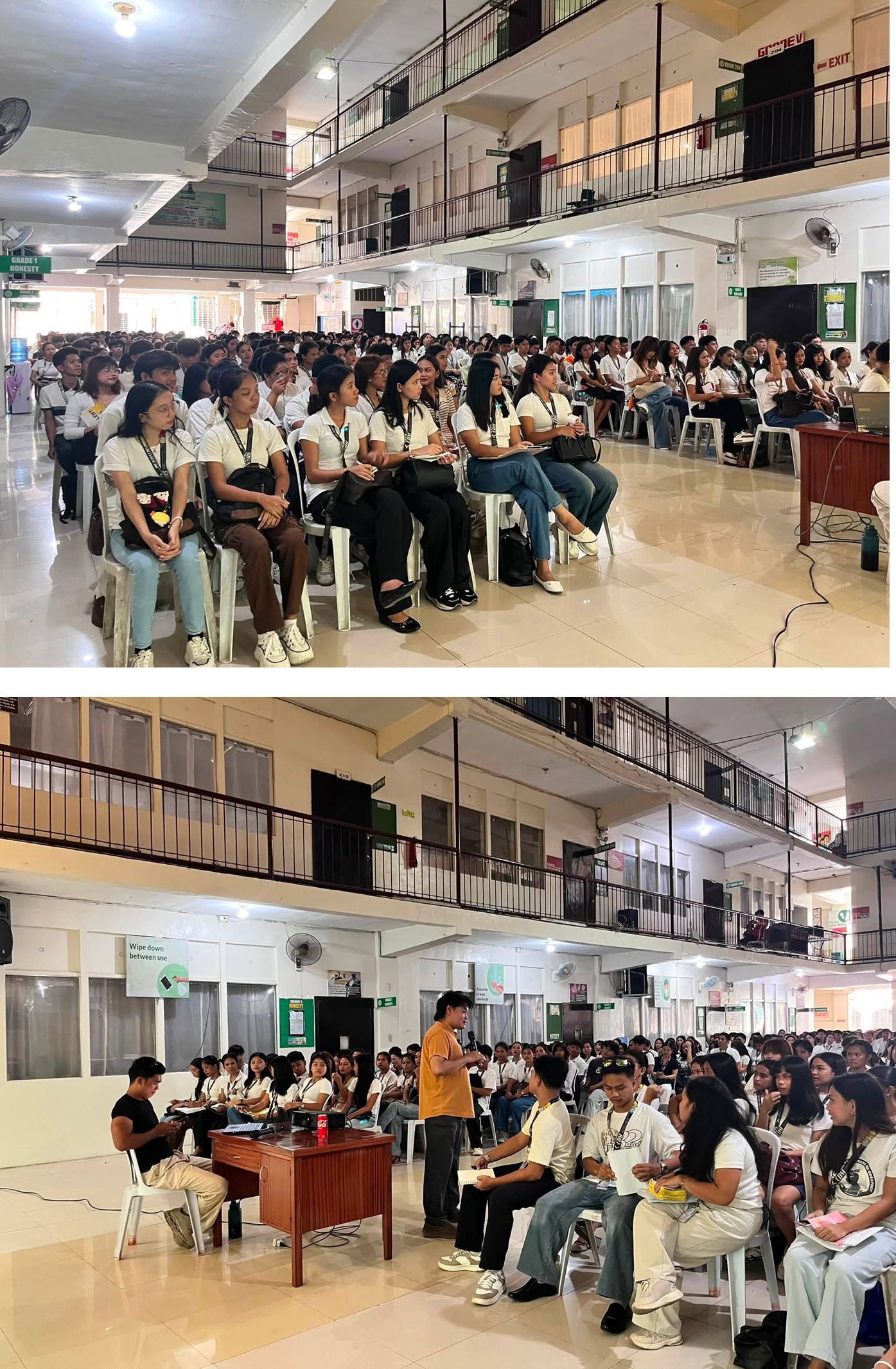
SCI's commitment to community learning is reflected in its Social and Community Involvement Program, as provided in its Student Handbook. The program promotes literacy education and the Civic Welfare Training Service (CWTS) to develop civic consciousness, service ethics, and lifelong learning skills among students. This commitment is aligned with Republic Act No. 9163 (National Service Training Program Act of 2001). Under Section 4, the Act establishes the Literacy Training Service (LTS) as an NSTP component that trains students to teach literacy and numeracy to schoolchildren, out-of-school youth, and other sectors needing such services. Meanwhile, CWTS, under Section 3, provides opportunities for students to participate in community welfare activities, including education. Through these programs, SCI supports the development of socially responsible students while extending educational opportunities and knowledge to the wider community. |
 |
Through these documented initiatives, Samar Colleges demonstrates that sustainable literacy involves more than awareness campaigns. It requires the practical transfer of knowledge, development of relevant competencies, and opportunities for individuals to apply what they learn in their communities. Through digital literacy training for out-of-school youth and women, technology capacity-building for partner-school representatives, environmental activities, and its community involvement framework, SCI continues to extend education and promote informed, responsible participation in sustainable development.